I grew up in southeastern Pennsylvania, right where the state runs into New Jersey and Delaware. Every summer of my childhood, I spent time at my grandparents’ beach house in North Wildwood. That meant I grew up on Jersey produce, and it was and continues to be the best food I have ever eaten.
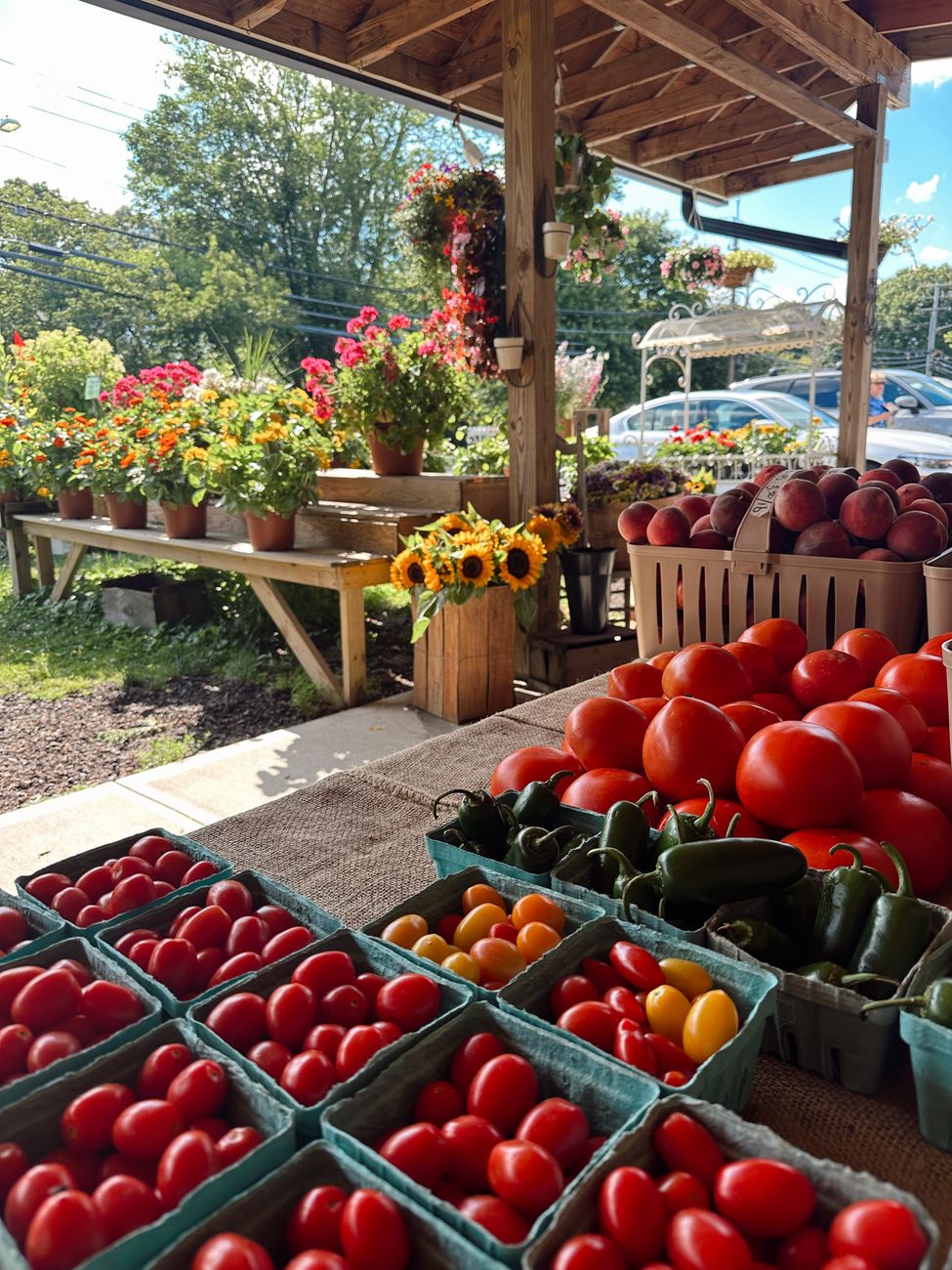
Tomatoes that were sweet. Green beans with a real snap. Corn, peaches, asparagus, blueberries, strawberries. All of it was harvested days ago, sometimes that morning. If you have never been to a Jersey roadside stand, you are really missing something. You did not plan around it. You did not hunt for it. You pulled over, handed someone a few dollars, and drove home with the best produce you would eat all year. Green beans were always my favorite.
That was my whole childhood, and much of my adult life too. I assumed everyone had this.
About twenty years ago, I moved to Kentucky. My first summer there, I was excited. I went looking for the same thing: tomatoes, green beans, and corn. I took my first bite of a Kentucky tomato, expecting that sweetness. It was not there, and the disappointment surprised me. The green beans were the same letdown. I lived in Kentucky for fifteen years, and every time I came home during growing season, the first thing I did was find a stand and eat the real thing. Kentucky had farmers’ markets. It had the same vegetables on the same tables. It never once gave me what I grew up with.
A New Jersey tomato is not good because of anything the roadside stand did. It is good because of everything that happened before it got there. The ground it grew in. The sun it got. The few days between the field and the front of that stand. By the time I bit into it, the quality was already decided. The stand was just the last step. Kentucky had the stands. It had tomatoes that looked the same in the same baskets. What it did not have was everything behind the stand.
And there was a second thing, the part I keep coming back to. It was effortless. I did not work for that tomato. I did not research it, wait for it, or fight to get it. I pulled over, and it was there, and it was exceptional, and that was simply how summer worked. Exceptional was the default, and getting it was easy.
I have spent more than twenty years in customer experience, and I think about those summers more than you would expect.
When a customer reaches you, they bite in. The call, the checkout, the order, the support ticket. In that one moment, they taste everything behind the front counter, or they taste the absence of it. You cannot stage freshness at the point of sale. You either built it upstream, in your systems and your handoffs and the work nobody sees, or you did not. The customer knows in one bite. They cannot always name what is missing, the way I could not have explained the chemistry of a Jersey tomato. But they feel the gap.
Most of the conversation in customer experience right now centers on technology, and it should. The tools matter. Automation, data, AI, and all of it critical to doing this work well at any scale. Now and then, though, it helps to step back to the core of what we do.
The best customer experiences have both things the roadside stand had. They are exceptional, and they are effortless to reach. The customer does not have to escalate, repeat themselves, chase a status, or work for the outcome they came for. The good thing is simply there, sitting on a table they happened to drive past. When a customer has to fight for a decent experience, that friction is the tell. Something behind the counter is not delivering.
So here is the question: When your customer pulls over, what do they find on the table? Something that looks the part but tastes hollow? Or the real thing, the kind they did not have to hunt for, the kind that brings them back next summer and the one after that?
Make exceptional effortless to find. That is the whole job.